Many dog owners focus on nutrition, exercise, and grooming but often overlook one important part of pet care, dental health. Just like humans, dogs can develop plaque, tartar buildup, gum disease, and bad breath if their teeth are not properly maintained. Poor oral hygiene can lead to pain, infections, difficulty eating, and even serious health problems affecting the heart and kidneys.
This is why veterinarians often recommend using dental treats for dogs as part of a regular oral care routine. These specially designed treats help reduce plaque buildup, freshen breath, and support healthier teeth and gums while giving dogs a tasty reward they enjoy.
In this guide, you will learn how dog dental treats work, their benefits, how to choose the best dental treats for dogs, and tips for maintaining your dog’s oral health for years to come.
Why Dental Health Matters for Dogs
Dental problems are extremely common in dogs. In fact, many dogs begin developing signs of dental disease by the age of three.
Common dental issues include:
- Bad breath
- Plaque buildup
- Tartar accumulation
- Inflamed gums
- Tooth decay
- Gum infections
- Tooth loss
When left untreated, oral bacteria can spread into the bloodstream and potentially affect major organs.
Good dental care helps dogs stay healthier, more comfortable, and happier throughout their lives.
What Causes Bad Breath in Dogs?
Bad breath is often one of the first signs of dental problems.
Common Causes Include
| Cause | Description |
|---|---|
| Plaque buildup | Bacteria collecting on teeth |
| Tartar formation | Hardened plaque damaging gums |
| Gum disease | Infection and inflammation |
| Poor diet | Food particles feeding bacteria |
| Lack of dental care | No brushing or dental support |
While occasional mild odor may be normal, strong or persistent bad breath often signals the need for better oral hygiene.
This is where dental treats for dogs can become extremely helpful.
What Are Dental Treats for Dogs?
Dental treats for dogs are specially designed chew treats created to help clean teeth and improve oral hygiene while dogs chew.
Unlike regular treats, dental treats are made with textures and ingredients that help:
- Scrape away plaque
- Reduce tartar buildup
- Freshen breath
- Stimulate gums
- Encourage chewing activity
Many dog dental treats are also formulated with ingredients that support healthier gums and fresher breath.
How Dental Treats Help Prevent Tooth Problems
Dental treats work in several ways to support oral health.
1. Reducing Plaque Buildup
Plaque is a sticky film of bacteria that forms on teeth daily.
When dogs chew dental treats, the texture gently scrapes the surface of the teeth, helping reduce plaque before it hardens into tartar.
This mechanical cleaning action is one reason veterinarians often recommend the best dental treats for dogs as part of a daily routine.
2. Fighting Tartar Formation
If plaque is not removed, it hardens into tartar, which is much more difficult to clean.
Tartar buildup can lead to:
- Gum disease
- Tooth decay
- Painful inflammation
- Tooth loss
Regular chewing on dog dental treats helps slow tartar accumulation and supports cleaner teeth.
3. Freshening Bad Breath
Many dental treats contain ingredients that help freshen breath naturally.
Common breath-support ingredients include:
| Ingredient | Benefit |
|---|---|
| Parsley | Natural breath freshener |
| Mint | Helps reduce odor |
| Chlorophyll | Supports fresher breath |
| Coconut oil | Antibacterial properties |
Fresh breath is often one of the first improvements owners notice after adding dental treats for dogs to their pet’s routine.
4. Supporting Gum Health
Healthy gums are essential for strong teeth.
Chewing dental treats stimulates the gums and may help improve blood circulation around the teeth and gum line.
Some treats also include nutrients that support gum tissue health.
5. Encouraging Natural Chewing Behavior
Dogs naturally enjoy chewing.
Providing safe dental chews helps satisfy this instinct while supporting oral hygiene at the same time.
This makes dog dental treats both enjoyable and beneficial.
Benefits of Dental Treats for Dogs
Adding dental treats to your dog’s routine can provide several important advantages.
| Benefit | Why It Matters |
|---|---|
| Fresher breath | Reduces unpleasant odor |
| Cleaner teeth | Helps remove plaque |
| Healthier gums | Supports oral tissue health |
| Reduced tartar | Lowers dental disease risk |
| Mental stimulation | Encourages chewing activity |
The best dental treats for dogs combine these benefits while remaining safe and digestible.
How to Choose the Best Dental Treats for Dogs
Not all dental treats offer the same quality or effectiveness.
Here are the most important things to look for.
1. Appropriate Size
Always choose treats designed for your dog’s size.
| Dog Size | Recommended Treat Type |
|---|---|
| Small dogs | Small, softer chews |
| Medium dogs | Standard dental sticks |
| Large dogs | Larger, durable chews |
Treats that are too small may become choking hazards.
2. Texture Matters
The texture should encourage chewing without being too hard.
A slightly flexible chew usually works best for cleaning teeth safely.
3. Digestible Ingredients
Choose products with high-quality ingredients and easy digestibility.
Avoid excessive artificial additives or fillers whenever possible.
4. Veterinary Approval
Some dental treats carry veterinary dental certifications or recommendations.
These products are often among the best dental treats for dogs because they have been tested for effectiveness.
5. Calorie Content
Dental treats should fit into your dog’s daily calorie intake.
Too many treats can contribute to weight gain.
Common Ingredients Found in Dog Dental Treats
| Ingredient | Purpose |
|---|---|
| Chicken or Beef | Flavor and protein |
| Mint | Breath freshening |
| Parsley | Natural odor control |
| Calcium | Tooth support |
| Fiber | Texture and digestion |
Quality ingredients help improve both safety and effectiveness.
Are Dental Treats Enough for Complete Dental Care?
While dental treats for dogs are very helpful, they should not completely replace regular dental care.
Veterinarians recommend combining dental treats with:
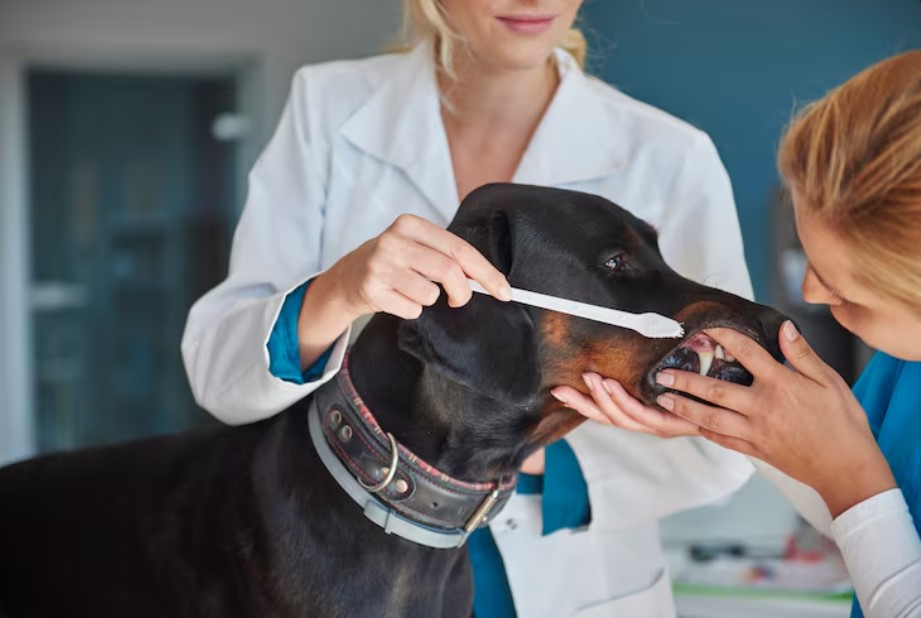
- Tooth brushing
- Dental checkups
- Professional cleanings
- Healthy diet
- Safe chew toys
Using multiple methods provides the best protection against dental disease.
Signs Your Dog May Have Dental Problems
Watch for these warning signs:
- Persistent bad breath
- Yellow or brown tartar buildup
- Bleeding gums
- Difficulty chewing
- Drooling excessively
- Pawing at the mouth
- Loose teeth
If you notice these symptoms, schedule a veterinary dental examination.
Tips for Improving Your Dog’s Dental Health
Brush Teeth Regularly
Brushing remains one of the best ways to remove plaque.
Use Dental Treats Daily
Daily chewing can help maintain cleaner teeth between brushings.
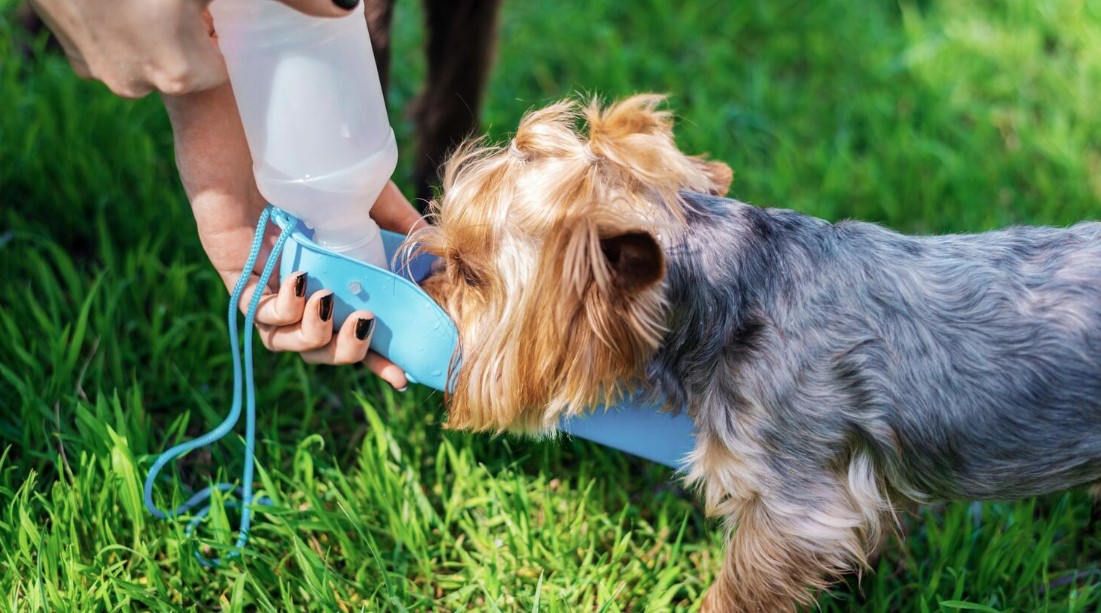
Provide Fresh Water
Hydration supports overall oral health.
Avoid Too Many Sugary Human Foods
Human snacks may contribute to dental problems.
Schedule Regular Vet Checkups
Routine dental exams help identify issues early.
Common Mistakes Pet Owners Make
| Mistake | Problem |
|---|---|
| Giving overly hard chews | Risk of tooth fractures |
| Ignoring bad breath | May signal disease |
| Overfeeding treats | Can cause weight gain |
| Skipping dental exams | Problems worsen unnoticed |
Understanding these mistakes helps protect your dog’s oral health.
Final Thoughts
Good dental care is essential for keeping your dog healthy, comfortable, and happy. Poor oral hygiene can lead to painful tooth problems, gum disease, bad breath, and even more serious health complications over time.
Adding dental treats for dogs to your pet’s daily routine is a simple and effective way to support cleaner teeth and fresher breath. The right dog dental treats can help reduce plaque, slow tartar buildup, support healthy gums, and satisfy your dog’s natural chewing instincts.
When selecting the best dental treats for dogs, focus on proper size, safe textures, digestible ingredients, and veterinary recommendations. Combined with brushing and regular dental checkups, dental treats can play a valuable role in protecting your dog’s long-term oral health.
FAQs
1. Do dental treats really work for dogs?
Yes, quality dental treats can help reduce plaque and tartar buildup while improving breath when used regularly.
2. How often should I give dental treats to my dog?
Most veterinarians recommend giving dental treats daily, but always follow product feeding guidelines.
3. Are dental treats safe for puppies?
Some dental treats are made specifically for puppies. Always choose age-appropriate products.
4. Can dental treats replace brushing?
No. Dental treats help support oral hygiene, but regular tooth brushing remains very important.
5. What are the best dental treats for dogs?
The best options are properly sized, digestible, veterinarian-recommended, and designed to help reduce plaque and tartar safely.