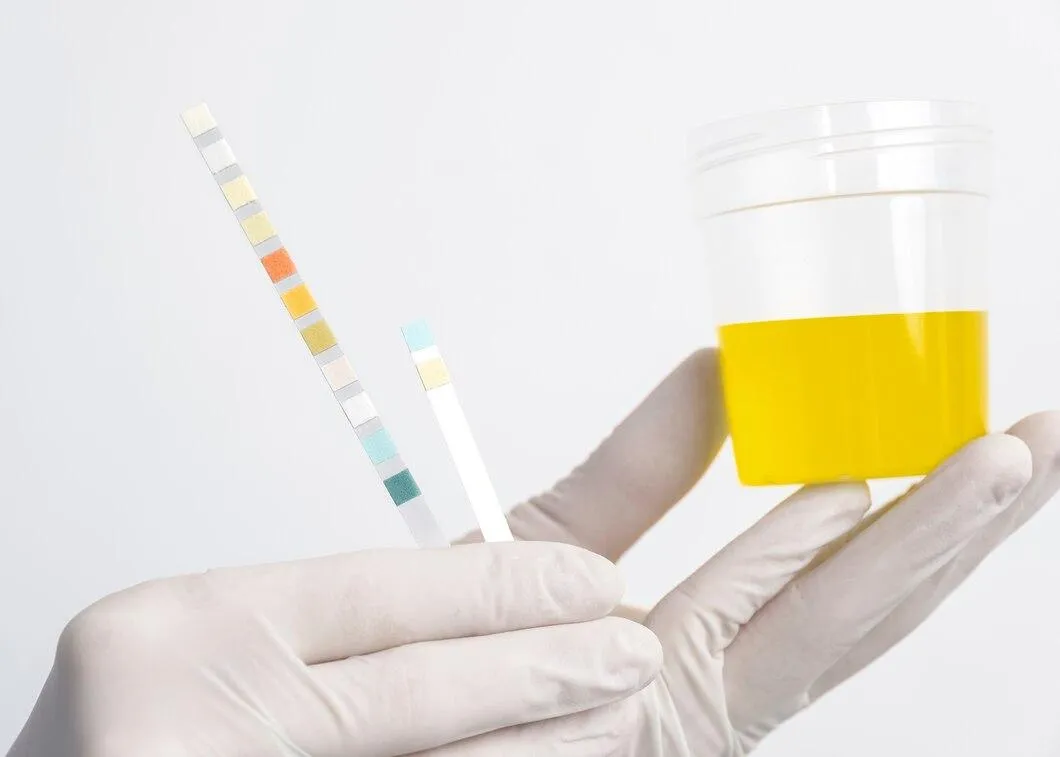
Medical laboratory training levels up healthcare professionals to successfully and safely conduct diagnostic tests. Before handling real patient samples, the students need to get a handle on the various steps required to collect, handle, analyze, and interpret biological samples. However, the application of human urine for all of the training sessions may pose unnecessary biological hazards and require additional laboratory safety requirements. Alternatives to education provide opportunities for students to learn basic skills in supervised settings. Practical sessions effectively will teach the trainees laboratory procedures, use of the diagnostic kit, and the significance of correct testing in accordance with strict hygiene and safety rules.
Controlled and Repeatable Diagnostic
It is important to be consistent in teaching laboratory procedures. Synthetic urine is a laboratory-produced training fluid that mimics a subset of the physical or chemical properties of human urine without the need to obtain a urine sample from a patient. It can be formulated with ingredients that mimic a property like pH, specific gravity, or any other measurable property. This is helpful when using it to demonstrate urinalysis procedures, for practicing reagent strip tests, and for gateway introduction to laboratory instruments. The instructor can choose the appropriate formulations for special learning goals and run the exercises again with identical settings. This learning approach enables students to appreciate how the test processes are carried out and the impact of variations in sample characteristics on the test findings.
Provide Increased Laboratory Safety and QC Awareness
A major component of diagnostic education is safe specimen handling. Urine, while usually not as infectious as other clinical specimens, may still contain pathogens and, as such, should be handled as per appropriate precautions. Utilization of nonbiological training materials for selected exercises may reduce exposure to patient-derived material to a minimum. It can also be used to highlight proper labelling of samples, equipment handling, contamination control, waste disposal, and personal protective equipment. The students can then practice how to stick to the standard operating procedures and why quality control is important before reporting back results.
Sound communication for reliable diagnosis
Development of training materials with the simulation of selected sample characteristics can be used to bridge the gap between the classroom and clinical laboratory workflow. Familiarize teachers with the following limitations to the use of synthetic urine. The simulated urine does not contain all the biological characteristics and clinical complexity of that in human specimens. No training results should be used for diagnosis of patients. Rather, the emphasis should be on the procedural accuracy, familiarity with the instruments, quality assurance, and critical thinking. Combining simulation and supervised clinical education is likely to boost the students’ confidence and facilitate the establishment of a more standardized and safer diagnostic approach in the clinics.