
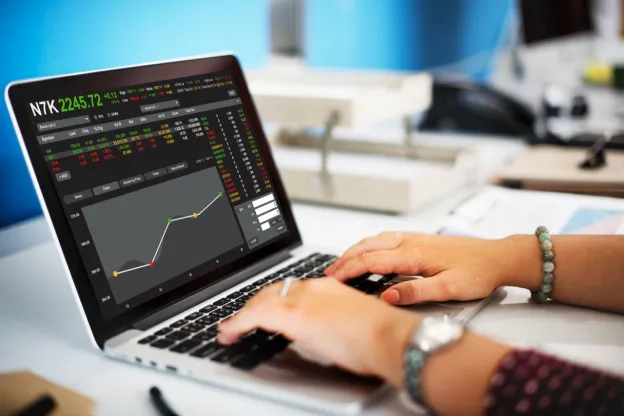
Foreign exchange trading has evolved significantly as digital platforms, mobile applications, automated systems, and global financial connectivity reshape how market participants access currency markets. Technology has made trading more accessible while increasing the importance of understanding platform features, transaction processes, and associated risks.
In the UAE, the growing presence of a forex trading company in UAE reflects a broader financial environment where technology and regulatory oversight operate alongside one another. Traders can access sophisticated platforms and market information, but understanding licensing, transparency, risk management, and service structures remains important when evaluating available trading options.
Digital Platforms Reshaping Modern Currency Market Access
Digital platforms are changing how traders interact with foreign exchange markets while making transparency, functionality, and security increasingly important considerations.
1. Expanding Access Through Digital Platforms
Modern trading platforms allow users to monitor currency markets, review price movements, place orders, and manage positions through computers and mobile devices. This accessibility has reduced dependence on traditional methods of market participation and allows traders to remain connected across different locations. However, easier access does not remove the risks associated with currency trading. Users still need to understand market volatility, leverage, transaction costs, and the terms associated with their accounts before participating.
2. Improving Market Information And Transparency
Access to timely information has become an important part of digital currency trading. Platforms can provide price quotations, charts, economic calendars, market news, and account information through integrated interfaces. Clear information can help users understand how markets are moving and evaluate the costs associated with transactions. Transparency also extends to the way firms communicate fees, trading conditions, withdrawal procedures, and account requirements. Comparing these details can help users make more informed decisions.
3. Supporting Automated Trading Technologies
Automation has introduced new capabilities into the forex trading environment. Some platforms allow users to create rule-based strategies, establish predefined conditions, or use software-supported execution tools. These technologies can improve efficiency by reducing manual intervention, but automated systems do not eliminate market risk. Strategies can perform differently as market conditions change, and technical failures or incorrect settings can affect execution. Users should understand how automated features work before relying on them for trading activity.
4. Strengthening Account And Data Security
Digital financial platforms require strong security measures because trading accounts contain sensitive personal and financial information. Multi-factor authentication, encrypted connections, secure passwords, account monitoring, and controlled access can help reduce unauthorized activity. Traders should also pay attention to communication channels and avoid sharing login information. Security is not only a technology issue; responsible account management by users also plays an important role in protecting financial information and maintaining control over trading accounts.
Regulatory Structures Supporting Responsible Forex Participation
Regulation provides clear requirements for licensing, supervision, and consumer protection in the UAE. For traders comparing a forex trading company in UAE, understanding applicable regulatory frameworks is an important consideration.
1. Understanding Licensing Requirements
Licensing provides an important reference point when evaluating financial service providers. Regulatory authorities establish requirements that firms must meet before conducting specific financial activities. The Central Bank of the UAE states that exchange business is a licensed financial activity and that persons cannot conduct exchange business in the UAE without the required Central Bank license.
2. Checking The Scope Of Authorized Activities
A license does not necessarily mean that a company can provide every type of financial service. Authorised activities depend on the scope of the relevant license and applicable regulatory framework. The Central Bank’s rules state that licensed persons are expected to operate within the scope of their licenses.
3. Evaluating Transparency Before Trading
Before opening an account, traders can review information about spreads, commissions, leverage, minimum deposits, withdrawal conditions, and other applicable charges. Understanding these details helps users compare different services based on their own requirements rather than focusing only on promotional offers. Clear documentation can also make it easier to understand contractual responsibilities.
4. Recognizing The Importance Of Risk Management
Forex markets can experience rapid price movements influenced by economic data, interest-rate decisions, geopolitical developments, and market sentiment. Leverage can increase both potential gains and losses. Effective risk management therefore involves understanding position sizes, available capital, stop-loss mechanisms, and personal tolerance for losses. No platform or provider can remove inherent market risk.
Evolving Trading Standards Across A Connected Forex Market
As digital trading continues to expand, the relationship among technology, regulation, transparency, and responsible participation is becoming increasingly important.
The modern forex landscape combines accessible digital platforms with increasingly structured regulatory requirements. Traders can benefit from faster information, mobile access, automated tools, and integrated account management, but these advantages also make informed decision-making more important. Regulatory frameworks help define which financial activities require authorisation and establish supervisory expectations for licensed entities.
Technology is likely to continue influencing currency markets through improved analytics, artificial intelligence, automation, and enhanced digital security. At the same time, regulators will continue to adapt frameworks to address evolving financial technologies and market practices. For traders, understanding both sides of this development can support more responsible participation. Rather than evaluating a platform based solely on technology or convenience, users can consider its regulatory position, transparency, security practices, costs, available tools, and suitability for their individual circumstances.
Conclusion: Navigating A More Structured Forex Environment
The modern forex landscape combines digital accessibility, advanced trading platforms, market information, automation, and regulatory oversight. Understanding these elements can help traders approach currency markets with greater awareness of platform features, operational conditions, security considerations, and financial risks.
For individuals researching forex trading brokers, VPFX provides a platform for exploring foreign exchange services and related market access. Before choosing any provider, users should independently verify the applicable regulatory status, understand the services offered, review trading costs and conditions, and consider the risks associated with leveraged foreign exchange trading. A careful evaluation can help traders make decisions based on information rather than convenience alone.
