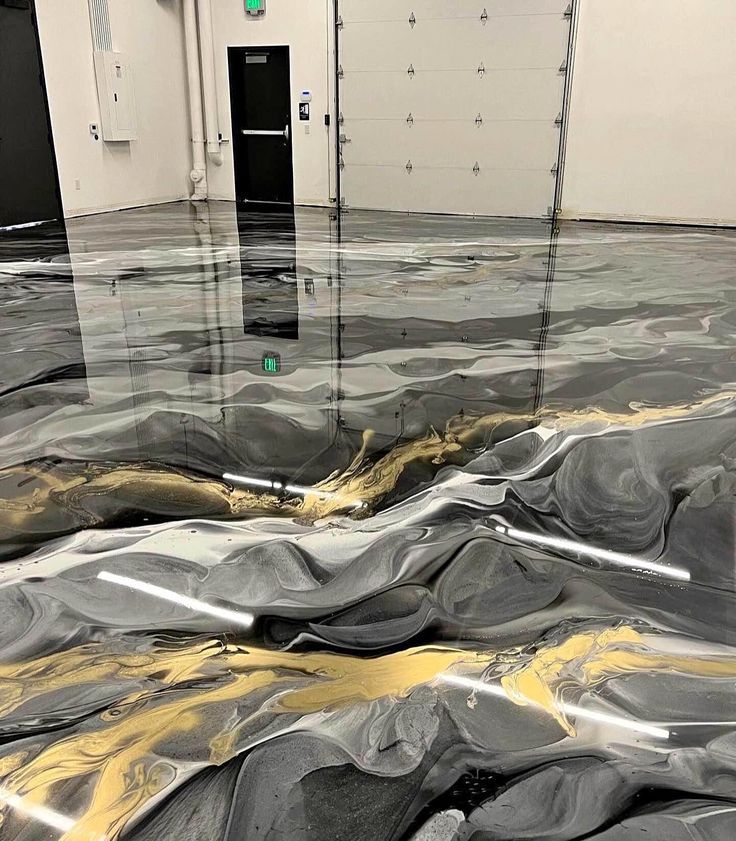
A pool area can be one of the most frequently used outdoor spaces around a home, particularly during warmer months. Years of weather exposure, foot traffic, water and general use can eventually leave surrounding surfaces looking worn. Pool deck resurfacing may be considered when homeowners want to update an existing area while working with the condition of the underlying surface.
The visual transformation is only one part of the project. Existing concrete, drainage, exposure, layout and ongoing maintenance should also be considered. Looking at the complete pool environment can help homeowners plan an improvement that feels connected to the rest of the property.
Inspect the Existing Deck
Begin by walking around the entire pool and examining the surface closely. Look for cracks, worn areas, stains, previous repairs and other visible changes.
An assessment can help determine what may need attention before a new finish is considered. Conditions can vary across the same deck, especially where some areas receive more sunlight, water or traffic than others.
Observe Water Movement
Pool surrounds are regularly exposed to water, so it is useful to observe where it travels. Existing slopes and drains can influence whether certain sections remain wet longer than others.
Point out any areas where water tends to collect. Drainage concerns should be discussed during the project assessment rather than discovered after a new surface has already been completed.
Consider the Surrounding Environment
The pool deck is part of a larger outdoor setting. Landscaping, exterior walls, fencing, furniture and the pool itself all influence how the surface will look.
When selecting a finish, view colors and textures in relation to these existing elements. The goal does not have to be perfect matching, but the completed area should feel visually connected to its surroundings.
Review Available Surface Options
Different outdoor spaces can have different requirements depending on their construction, condition and use. A system that works for one property should not automatically be assumed to suit another.
Homeowners researching pool deck coatings should discuss the existing substrate, intended appearance, maintenance and site conditions with an experienced professional. Product suitability and application requirements should be confirmed for the particular project.
Plan Around Pool Use
Surface work can temporarily restrict access to the pool and surrounding area. This should be considered when choosing project dates, particularly during periods when the household uses the pool frequently.
Ask how long different stages are expected to take and when normal access can resume. Scheduling during a less busy period may make temporary restrictions easier to manage.
Move Furniture in Advance
Outdoor tables, chairs, umbrellas, planters and other items can interfere with preparation and installation. These should be moved before the work area is required.
Clearing the deck also provides an opportunity to reconsider the furniture layout. A more open arrangement may improve movement around the pool once everything is returned.
Think About Sun and Shade
Different sections of a pool area can experience very different levels of sun exposure. Trees, buildings and shade structures may protect some parts while leaving others exposed for much of the day.
These conditions can affect how the space feels and how colors appear. Considering both sunny and shaded sections can provide a more complete picture when making design decisions.
Ask About Routine Care
Outdoor areas naturally collect leaves, dust, soil and other debris. Pool water and regular foot traffic add further maintenance considerations.
Homeowners should ask which cleaning methods are appropriate for the completed surface. Understanding the recommended routine before installation makes ongoing care easier to plan.
Keep Future Changes in Mind
A pool area may evolve. Furniture can change, landscaping may mature, and new shade or entertainment features might eventually be added.
Thinking about these possibilities can help homeowners avoid designing the entire surface around a temporary arrangement. Some flexibility allows the outdoor area to adapt more easily in the future.
Conclusion
Refreshing a pool surround involves more than selecting a new color or decorative finish. Existing surface conditions, drainage, furniture, sunlight, maintenance and the wider landscape can all influence the project.
A careful assessment helps homeowners understand these factors before work begins. When practical requirements and visual choices are considered together, the pool area can become a more cohesive and enjoyable part of the property’s outdoor environment.