
The Manaslu region of Nepal has long been revered by trekkers and mountaineers for its dramatic landscapes, rich cultural heritage, and remote wilderness. Two of the most extraordinary trekking experiences in this area are the Manaslu Circuit Trek and the Manaslu Tsum Valley Trek. Both offer unique perspectives of the Himalayan world—one through a grand high‑altitude circuit encircling the majestic Mount Manaslu, and the other through a secluded cultural valley steeped in ancient Tibetan influence. This article explores these remarkable journeys, comparing their highlights, challenges, best seasons, cultural encounters, and practical considerations for planning an unforgettable adventure.
Overview: Manaslu Region
The Manaslu region lies in the north‑central part of Nepal, bounded by the Annapurna region in the west and the Tibetan plateau in the north. At the heart of this region stands Mount Manaslu (8,163 m)—the eighth highest peak in the world—whose massive flank rises dramatically above the Budhi Gandaki River valley. Long overshadowed by its more popular neighbors (such as Annapurna and Everest), Manaslu has emerged as a premier trekking destination due to its pristine environment, cultural diversity, and the challenge it presents to intrepid adventurers.
Manaslu Circuit Trek: A Classic High‑Altitude Adventure
The Manaslu Circuit Trek is widely regarded as one of the most rewarding long‑distance treks in Nepal. Covering approximately 170–190 kilometers (105–118 miles) depending on the route variations, it typically takes 14–18 days to complete.
Key Highlights
-
Dramatic Landscape Diversity: From lush subtropical forests and terraced farmlands in the lower valleys to glacial moraines and snowy passes, the trek showcases Nepal’s ecological richness.
-
Larkya La Pass (5,160 m): The iconic high point of the trek, offering panoramic views of Manaslu, Himlung Himal, Cheo Himal, Kang Guru, and other high peaks.
-
Remote Villages: Traditional Gurung and Tibetan‑influenced settlements like Jagat, Dharamsala, Namrung, and Samagaon offer cultural insights rarely found on busier trails.
-
Less Crowded Trails: Compared to Everest and Annapurna circuits, Manaslu remains relatively uncrowded (though permits are required), enhancing the sense of wilderness.
Challenges
The most significant challenge in the Manaslu Circuit is the Larkya La Pass—steep, high, and demanding. Weather can change rapidly, and altitude sickness remains a risk. Trekkers must be well‑prepared physically and mentally, with proper acclimatization days built into their itinerary.
Cultural Experience
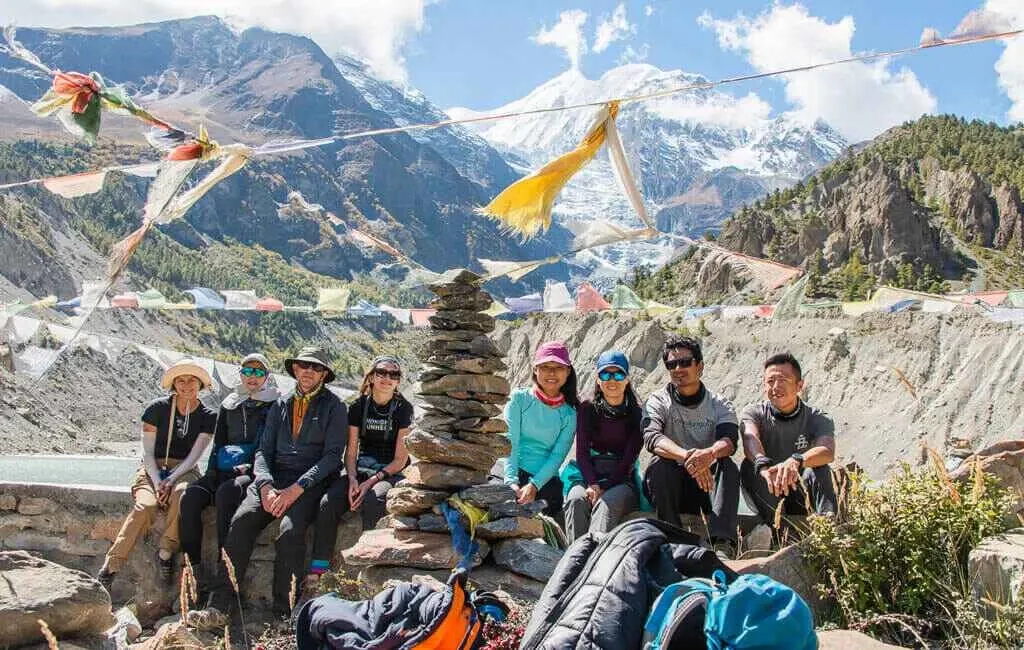
The trail threads through villages that maintain traditional lifestyles. Main walls, chortens, and prayer flags punctuate the landscape. Home‑stays and teahouses provide opportunities for authentic interaction with local families, further enriching the trekking experience.
Manaslu Tsum Valley Trek: The Hidden Valley of Cultural Richness
In contrast, the Manaslu Tsum Valley Trek focuses on the Tsum Valley, a culturally rich and geographically secluded valley nestled on the northern side of the Budhi Gandaki. Often combined with the Manaslu Circuit, the Tsum Valley has emerged as a trek in its own right due to its unique character.
What Makes Tsum Valley Special
-
Sacred Himalayan Valley: The name “Tsum” means “vivid, brilliant, beautiful” in the local dialect, but this valley is also called the “Valley of Enlightened Beings” due to centuries of Buddhist tradition and hermit settlements.
-
Tibetan Culture & Monasteries: Numerous ancient monasteries, chortens, and meditation caves dot the valley. Tsum’s spiritual ambiance sets it apart from other trekking regions in Nepal.
-
Traditional Villages: Villages like Chhule, Chokhangparo, and Dolphu are deeply rooted in age‑old customs, with locals preserving old art, language, and architecture.
Trail Experience
The Tsum Valley Trek usually takes 8–12 days and involves moderate to challenging terrain. Elevations range from river valleys to high alpine meadows. Unlike the higher crossings of the Manaslu Circuit, this route emphasizes cultural immersion over extreme altitude.
Natural Beauty
Dense forests of rhododendron and bamboo, terraced fields, and remote highland pastures characterize much of the trail. Views of peaks such as Ganesh Himal, Siringi Himal, and Baudha Himal accompany trekkers throughout the journey.
Comparing Two Extraordinary Treks
While the Manaslu Circuit Trek and the Manaslu Tsum Valley Trek are geographically connected, they offer different trekking experiences:
|
Feature |
Manaslu Circuit Trek |
Tsum Valley Trek |
|
Duration |
14–18 days |
8–12 days |
|
Difficulty |
High (due to Larkya La Pass) |
Moderate |
|
Altitude |
Up to 5,160 m |
Up to 3,700+ m |
|
Main Focus |
High‑altitude scenery, rugged terrain |
Cultural depth, ancient monasteries |
|
Crowds |
Moderate (requires restricted permits) |
Less frequented |
|
Best For |
Adventure seekers & seasoned trekkers |
Cultural travelers & moderate trekkers |
Both treks require restricted area permits, and in many cases, a licensed guide is compulsory due to their location near the Nepal‑Tibet border. These regulations help protect local culture and environment and ensure trekkers’ safety in remote areas.
Best Seasons to Go
The best time to undertake either trek is during the spring (March–May) and autumn (September–November) seasons. These windows offer stable weather, clear views, and pleasant temperatures:
-
Spring: Blooming rhododendrons paint the hillsides red and pink.
-
Autumn: Clear skies and fresh mountain views without monsoon clouds.
Winter treks are possible but can be extremely cold with heavy snowfall, especially at higher elevations. Summer monsoon brings rain, landslides, and leeches at lower levels.
Practical Tips for Trekkers
1. Physical Preparation
Begin fitness training months in advance. Cardiovascular endurance, leg strength, and acclimatization ability significantly enhance your trekking experience.
2. Acclimatization
Altitude sickness can affect any trekker. Build rest days at strategic points—especially before challenging segments like Larkya La Pass.
3. Permits and Guide Requirements
Because both treks are in restricted zones, permits (Manaslu Restricted Area Permit and Tsum Valley Permit) are essential. Hiring a guide is often mandatory and supports local livelihoods.
4. Gear Essentials
Pack layers for cold nights, sturdy trekking boots, a warm sleeping bag, and sun protection. For Larkya La Pass, consider glacier sunglasses and trekking poles.
5. Respect Local Culture
The Tsum Valley’s spiritual heritage calls for respectful behavior—dress modestly, ask before photographing people or religious sites, and be mindful of local customs.
Conclusion
The Manaslu Circuit Trek and the Manaslu Tsum Valley Trek stand among Nepal’s most compelling trekking journeys, each offering its own distinct flavor of Himalayan adventure.
The Manaslu Circuit is a grand odyssey of high passes, diverse climates, and breathtaking peaks—it challenges the body and rewards the spirit with unparalleled mountain vistas. In contrast, the Tsum Valley Trek beckons travelers with its quiet charm, deep cultural resonance, and serene landscapes rarely touched by mainstream tourism.
For those seeking physical challenge and alpine exploration, the Manaslu Circuit is a dream terrain. For adventurers drawn to living culture, meditation caves, and timeless valley life, the Tsum Valley offers profound rewards. Together, or individually, these treks encapsulate the heart of Nepal’s wild beauty—where nature and culture coalesce at the edge of the world.