
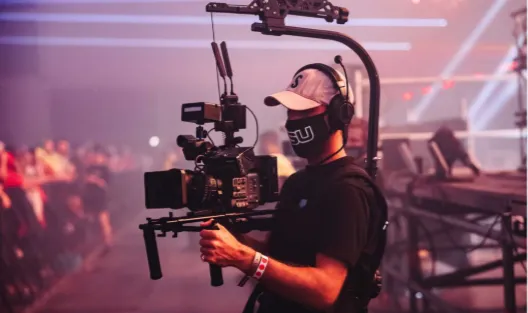
A shoot lives or dies by the people holding the gear. Plenty of producers learn that the hard way, usually around 5 a.m. on a cold set. Typing “video production services near me” into a search bar works at home. Abroad, you need a smarter plan for finding crew and equipment.
South Korea has deep talent, but it is spread across cities and specialties. Knowing where to look saves days. This guide covers how to find people, check their skills, rent gear, and avoid the usual traps. Nothing fancy. Just habits that work.
Start With Trusted Referrals
Word of mouth beats any directory. Ask producers who have shot here recently who they would hire again. Ask what went wrong, too. Honest answers about a bad day teach you more than a glossy reel ever will.
A production company in korea can open doors that stay closed to outsiders. Many top crew members work through trusted circles and book up fast. A good local partner knows who is free, who is rising, and who quietly disappeared after a messy job last spring.
Check Reels and Past Credits
Reels show style. Credits show reliability. Look at both before you commit to anyone. Ask for work close to your type of project, because a great music video cinematographer may not suit a slow product film.
Call at least one past client. Ask simple things. Did they arrive on time? Did they stay calm under pressure? How did they treat younger crew? Short, direct questions get honest answers. It takes ten minutes, and it can protect a whole budget.
Match Crew Size to Shoot
Bigger is not always better. Korean sets can run lean or large, depending on the project. Small ads may need only a handful of people. A big commercial with cast, cars, and lighting rigs will need far more hands.
Send a clear crew list with roles and days needed. Ask local producers to flag anything missing, since they know the typical setup here. Overstaffing burns money. Understaffing burns people. Aim for a balance, then adjust once the scout is done.
Rent Equipment With a Test Day
Rental houses in Seoul and other big cities carry cinema cameras, lenses, lights, grip, and sound gear. Many also offer specialty items like cranes, gimbals, and underwater housings. Browse their lists early, because popular items go quickly in busy seasons.
Book a test day. Open every case. Check lens clarity, sensor dust, and battery health. A short test costs little and finds problems early. If something fails, you still have time to swap it. On set, swapping costs hours and patience.
Look Beyond Seoul for Talent
Seoul has the biggest pool, yet other regions offer strong people too. Busan has a long film tradition, and Jeju has crews used to working with wind and water. Hiring locally outside the capital can cut travel costs and add real knowledge of the area.
Plan how local crews and Seoul crews will meet. Share schedules early. Agree on pay, overtime, and meal rules in writing. Mixed teams work well when everyone knows the rules from day one. Confusion over small things grows quickly on long days.
Contracts, Pay, and Clear Terms
Put everything on paper. Rates, call times, overtime, usage rights, and cancellation rules all belong in a written deal. Verbal promises fade fast, especially when schedules shift and people get tired.
Ask a local producer to help you read Korean terms if needed. Pay on time, always. Word spreads quickly in tight industries, and a late payment can close doors. A good production company in korea can handle payroll and paperwork, so your team can focus on the creative side.
Conclusion
Sourcing crew and gear in Korea is less about luck and more about habits. Ask around, check credits, size the team right, test equipment, look beyond Seoul, and keep contracts clear. Small steps, repeated, add up to a smooth shoot.
If you would like help building your team, visit posted-productions.com and see how a local partner can match you with the right people and tools. Reach out early. The best crews book up, and a thoughtful start gives your project room to breathe.
