
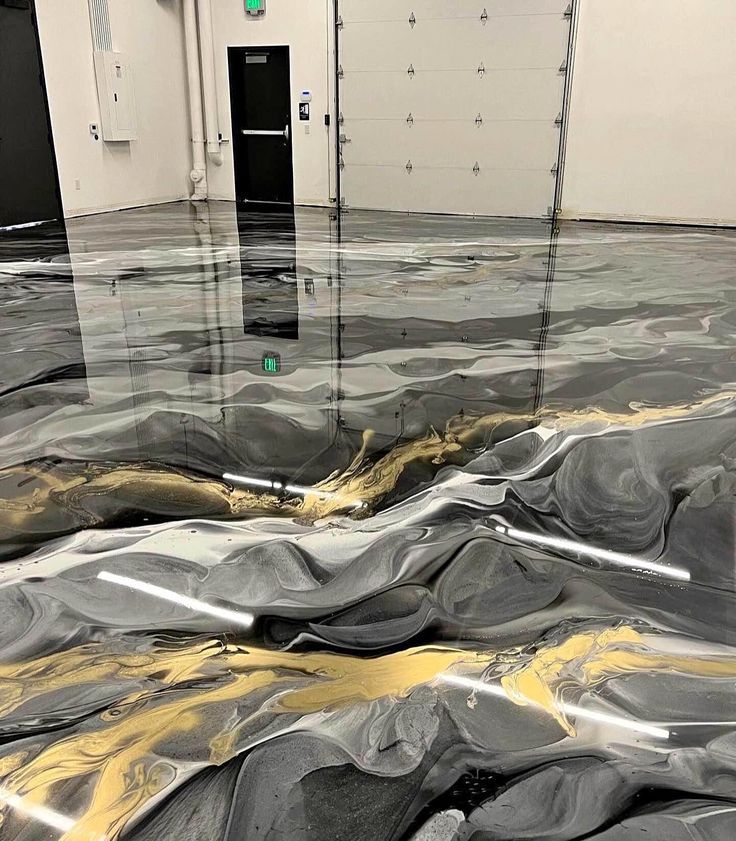
A good coating project depends on more than buying resin and getting to the jobsite. Contractors searching for an epoxy resin store los angeles often need primers, repair materials, abrasives, application tools, pigments, and protective topcoats that work as one complete system. Planning those pieces together can reduce delays and avoid mixing products that were never intended to be used side by side.
The same principle applies to decorative concrete work. A polished countertop, metallic floor, or coated garage may use very different materials, but each project still depends on preparation, correct product sequencing, and tools that match the stage of work.
Start With the System, Not a Single Product
Buying one product at a time can create compatibility problems later. A primer, base coat, decorative layer, and topcoat should be selected with the complete system in mind rather than chosen independently because each item looks suitable on its own.
Surface-finishing tools also need to match the task. Contractors looking for z grit disc los angeles options, for example, should consider the material being refined, the stage of finishing, and the manufacturer’s guidance instead of treating every abrasive as interchangeable.
Read Technical Information Before the Job Begins
Product data sheets provide information that can affect the entire installation. Mixing ratios, working time, coverage, cure windows, temperature limits, and recoat requirements should be reviewed before materials are opened.
This becomes especially important when crews use products from different manufacturers. Even when two materials appear similar, their chemistry, cure profile, or application requirements may differ.
A few minutes spent checking technical information can prevent hours of sanding, removal, or rework later.
Match Preparation to the Final Finish
Surface preparation should reflect what will be installed afterward. Coated floors may require mechanical profiling, crack repair, and contamination removal, while decorative countertops can involve sanding, patching, edge finishing, polishing, or sealing.
Using the wrong abrasive or stopping surface preparation too early can affect both appearance and adhesion. The finish may highlight scratches, uneven patches, or other defects that seemed minor before the coating or sealer was applied.
Preparation should therefore be planned backward from the final result.
Keep Abrasives Organized by Stage
Abrasives are easy to overlook because they seem like simple consumables. In practice, grit progression can influence how smoothly a concrete or decorative surface develops.
Contractors should keep abrasives organized by purpose and avoid mixing used discs into new stock. Labeling grit levels and separating cutting, refining, and finishing stages can make work faster and reduce accidental skips.
It also helps to carry a small backup supply. Running out of the correct abrasive halfway through a finishing sequence can interrupt the job at the worst possible time.
Avoid Mixing Systems Without a Reason
Contractors often become comfortable with favorite products from several brands. That experience can be valuable, but combining materials should still be based on documented compatibility rather than habit.
A topcoat may cure differently over another manufacturer’s base layer, or a primer may require a specific recoat window. Decorative pigments and additives can also behave differently depending on the resin system.
When compatibility is uncertain, technical guidance is more reliable than assuming that similar-looking products will perform the same way.
Order Around the Installation Sequence
A smarter supply order follows the job from beginning to end. Preparation materials come first, followed by repairs, primer, decorative or build coats, broadcast media if used, and the final protective layer.
Tools should be grouped in the same order. Mixers, squeegees, rollers, gauge rakes, brushes, abrasives, and cleanup supplies are easier to manage when the crew knows which stage each item belongs to.
This approach also makes missing materials easier to spot before the truck leaves for the jobsite.
Keep Safety Products With the Main Supply List
Safety equipment should not be added at the last minute. Concrete grinding, sanding, resin mixing, and coating application can involve dust, noise, splashes, and chemical exposure.
The required protection depends on the task and product instructions. Gloves, eye protection, hearing protection, suitable footwear, and respiratory protection may be needed in different combinations.
Treating PPE as part of the core material order helps crews prepare for the job rather than improvise once work has started.
Conclusion
Professional coating and decorative concrete projects are easier to manage when materials, tools, abrasives, and protective equipment are planned as one system. Compatibility and installation sequence matter just as much as choosing a high-quality resin.
Contractors sourcing resin systems, abrasives, preparation products, and application tools can explore available supplies through whatittakesla.com. Planning these components together before work begins can reduce avoidable problems and support a smoother installation from preparation through final finish.

