
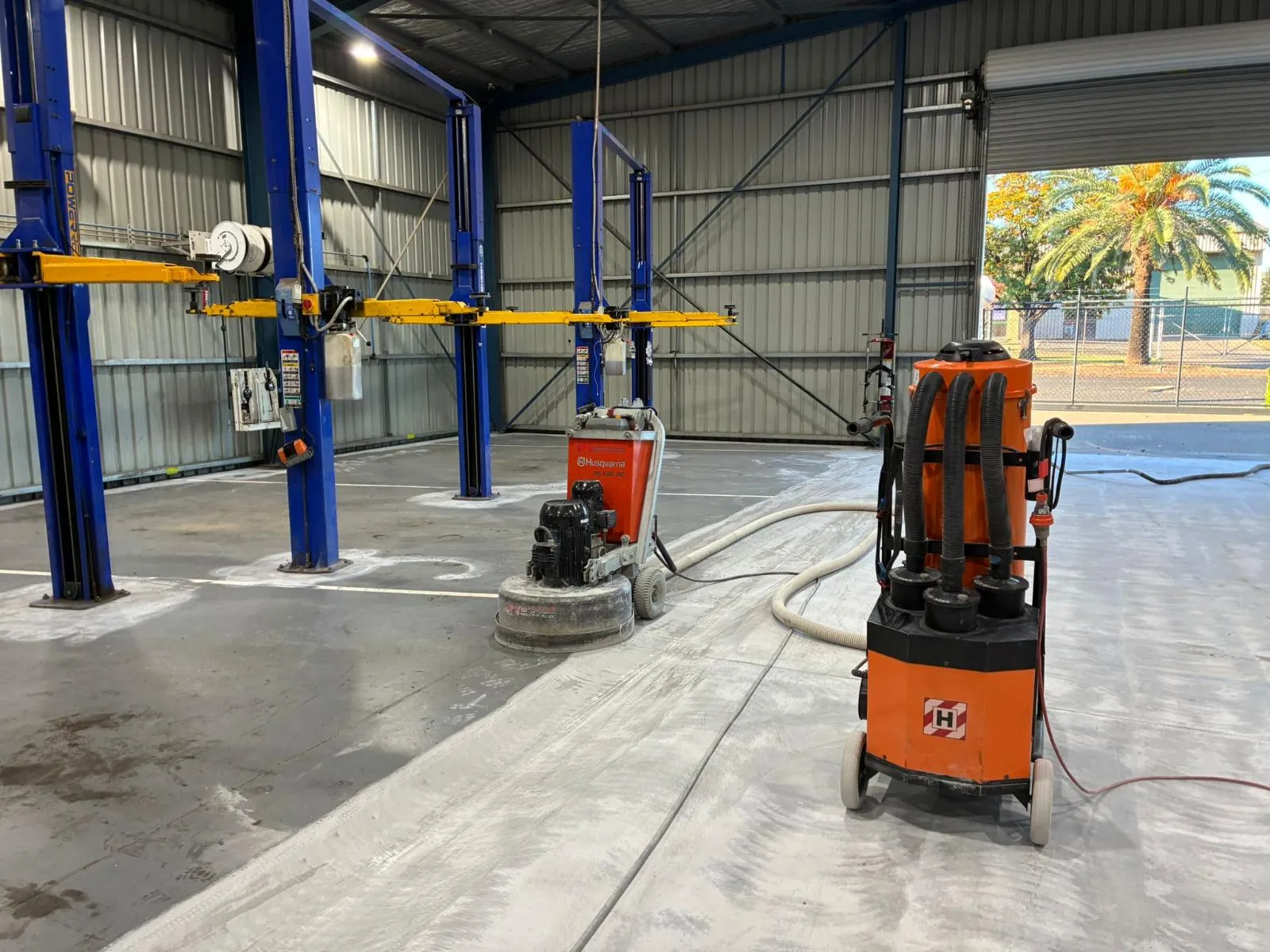
Renovating a commercial property often involves replacing outdated flooring with a more practical and attractive finish. However, removing the visible material is only part of the process. Beneath worn carpet, vinyl or old coatings, contractors may discover adhesive residue, damaged concrete and uneven surfaces. These problems can delay the installation of new materials if they are not considered during planning. Professional floor covering removal newcastle services can help prepare commercial spaces for their next stage of renovation. Understanding what lies beneath existing flooring allows property managers to plan more realistic schedules, budgets and installation requirements.
Look Beneath the Existing Floor
Older commercial premises may have experienced several renovations over their lifetime. Previous contractors might have installed vinyl over adhesive, carpet over levelling compounds or decorative coatings over earlier finishes.
When these materials are removed, the underlying slab may reveal problems that were previously hidden. Identifying contamination, cracks or unsuitable surface treatments early helps prevent delays during the next stage of construction.
Understand Different Removal Methods
Removing carpet tiles is different from stripping a firmly bonded resin coating. Some materials can be lifted mechanically, while others require grinding, scraping or more specialised equipment.
The appropriate method depends on the existing covering and the condition required for the new installation. Contractors should establish whether adhesive residues and levelling compounds must also be removed. Leaving unsuitable material behind can interfere with the performance of replacement flooring.
Make Dust Management a Priority
Commercial floor removal can generate considerable dust, particularly when grinding concrete or removing old coatings. Without suitable controls, particles may spread into neighbouring work areas and interfere with ongoing business activities.
Professional equipment can incorporate extraction systems and work-area containment to manage airborne dust. Building managers should also consider ventilation, waste disposal and safe access arrangements. Older buildings may require assessment for hazardous materials before removal begins.
Consider the Final Flooring Before Preparation
The next flooring material determines how the concrete should be prepared. Carpet, vinyl, resin coatings and mechanically polished concrete can have different substrate requirements.
A contractor may need to achieve a specific surface profile, repair damaged sections or remove previous contaminants. Discussing the intended finish before demolition starts helps coordinate removal and preparation work, reducing unnecessary duplication between trades.
Explore the Possibility of Exposed Concrete
Commercial renovations do not always require installing another floor covering. When the underlying slab is suitable, it may be possible to restore the concrete and use it as the finished surface.
Professional concrete polishing newcastle services use mechanical processes to refine suitable concrete floors. Depending on the slab, the finished appearance can range from relatively matte to highly reflective, with different levels of aggregate exposure. Results depend on the existing material and preparation requirements.
Match the Finish to the Business
Retail spaces, offices and industrial facilities have different practical needs. A showroom may prioritise appearance and light reflection, while a warehouse needs flooring suitable for equipment movement and regular cleaning.
Property owners should discuss:
-
Expected foot traffic and equipment loads.
-
Existing concrete damage or repairs.
-
Preferred texture and level of reflectivity.
-
Moisture conditions and cleaning requirements.
-
Available time for installation and curing.
These details help determine whether restored concrete, a resin coating or another system is appropriate for the premises.
Plan Around Tenants and Trading Hours
Renovation work becomes more complicated when a building remains occupied. Dust, noise and restricted access can affect employees, customers and neighbouring businesses. Where practical, removal and preparation may be scheduled outside regular trading hours or completed in separate areas. Clear communication between contractors and building managers helps maintain safe access and reduces unexpected interruptions.
Compare Project Costs Realistically
Flooring budgets should account for more than the cost of the replacement material. Removing previous coverings, disposing of waste, repairing concrete and preparing the substrate can represent significant parts of the project.
Quotations should clearly explain which tasks are included. Property managers should also consider whether unexpected adhesive layers or damaged sections could affect the scope. An informed estimate makes renovation planning more dependable.
Protect the Finished Surface
Once the renovation is complete, suitable maintenance helps preserve the flooring investment. Different materials require different cleaning procedures, and some finishes need periodic protective treatments.
Maintenance staff should receive clear instructions about compatible cleaning products and inspection requirements. Addressing surface damage promptly can help prevent minor problems from affecting larger areas of the floor.
Conclusion
Successful commercial flooring renovations depend on understanding what exists beneath the visible surface. Removing old coverings, assessing concrete condition and coordinating preparation work are essential before selecting the final finish. Property owners should also consider building access, maintenance needs and installation schedules when comparing options. For businesses planning flooring upgrades across Newcastle, the Hunter Region and surrounding areas, blastprepgrind.com provides information about commercial floor removal, concrete preparation and polishing services. A carefully organised renovation can reduce avoidable disruption while helping create a practical, attractive surface suited to the building’s future use.

