
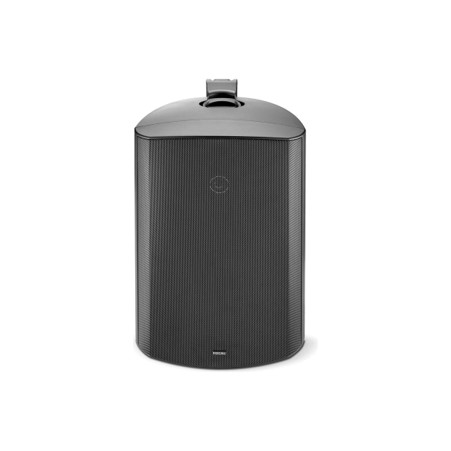
An outdoor entertainment area needs audio equipment that performs reliably beyond the controlled conditions of an indoor listening room. Open spaces, changing weather, background noise, and speaker placement all influence sound quality. Selecting suitable outdoor speakers requires more than choosing attractive enclosures or comparing advertised wattage figures. We should examine environmental protection, coverage patterns, amplification requirements, and installation locations before making a purchase. A carefully planned system can provide enjoyable background music during family gatherings while maintaining clear, balanced audio across patios, gardens, and other residential spaces.
Understand Outdoor Weather Protection Ratings
Outdoor audio equipment faces challenges from rainfall, humidity, sunlight, dust, and temperature changes. Weather-resistant construction helps protect internal components, but the degree of protection varies between products. Ingress Protection ratings indicate resistance to solid particles and water under specified testing conditions. For example, IP55 certification provides dust protection and resistance to water jets, but it does not mean a product can be submerged. We should examine manufacturer documentation, operating temperature ranges, and mounting recommendations before assuming that a speaker suits every exposed location.
Match Sound Coverage With Available Space
Unlike enclosed rooms, outdoor environments provide fewer reflective surfaces to reinforce sound. This can make music seem quieter as listeners move farther from the speakers. A compact patio may perform well with one stereo pair, while a spacious garden could require several carefully distributed units. Focal’s 100 OD6 and 100 OD8 models offer different driver sizes for outdoor applications. We should consider listening distances, seating arrangements, and intended volume levels instead of assuming that larger equipment automatically provides the most consistent coverage.
Choose Mounting Positions With Care
Speaker positioning influences both listening enjoyment and exposure to environmental conditions. Wall-mounted models often work well around covered patios, while landscape-oriented systems can distribute audio across gardens and pathways. When selecting weatherproof outdoor audio speakers, we should confirm suitable mounting hardware, available adjustment angles, and installation clearances. Directing sound toward gathering areas rather than neighboring properties can improve clarity while limiting unnecessary disturbance. Mounting surfaces must also support equipment weight and withstand local weather conditions without compromising electrical connections or long-term structural stability.
Compare Distributed And Conventional Systems
Different outdoor layouts require different speaker configurations. Conventional wall-mounted pairs are suitable for concentrated listening areas, whereas distributed landscape systems use multiple smaller speakers to create broader coverage. The Focal Littora OD 4.1 package, which combines four satellite speakers with a subwoofer for outdoor applications. This approach can help maintain comfortable listening levels across larger spaces. We should compare equipment quantities, cable routes, amplifier requirements, and installation complexity before selecting a configuration that exceeds the property’s practical entertainment needs.
Verify Amplifier And Connection Compatibility
Outdoor speakers are not necessarily self-powered devices. Many passive models require compatible amplifiers, making impedance, power handling, and wiring specifications important purchasing considerations. The Sonos Outdoor Speakers by Sonance are designed for use with suitable amplification rather than functioning as independent wireless speakers. We should also determine whether the outdoor system will operate separately or integrate with existing indoor audio zones. Compatible source equipment and reliable control connections can simplify music selection without introducing unnecessary electronics into exposed environments during everyday use.
Plan Wiring For Long-Term Reliability
Outdoor installations demand special attention to cable protection and electrical safety. Wiring may need to travel through exterior walls, underground conduits, or concealed architectural routes. Suitable outdoor-rated cables, weather-protected connections, and compliant installation practices help reduce deterioration and maintenance problems. We should identify irrigation lines, underground utilities, and landscaping features before planning excavation. Local electrical requirements also deserve consideration, particularly when powered equipment is involved. Professional installation can help maintain an attractive landscape while ensuring connections remain accessible for future servicing, adjustments, and possible system expansion.
Balance Maintenance With Overall Value
Outdoor audio equipment should remain practical after installation, not simply perform well during initial demonstrations. Exposure to seasonal weather, vegetation, insects, and environmental debris can affect long-term condition. Periodic inspections of mounting brackets, protective grilles, and cable connections help identify developing problems. We should also review warranty limitations and manufacturer cleaning instructions before choosing equipment. Premium construction may justify a higher initial investment when it meets the property’s environmental demands. Nevertheless, selecting the correct protection level matters more than purchasing unnecessarily elaborate products.
Conclusion
A successful outdoor listening system balances acoustic coverage with environmental durability and thoughtful installation. Understanding weather protection, equipment compatibility, mounting locations, and long-term maintenance helps homeowners avoid expensive mistakes while improving everyday entertainment. Through its Focal and Sonos outdoor audio selections, epicsystems.tech offers options for residential patios, gardens, and connected entertainment spaces. Before choosing a particular configuration, reviewing the landscape layout and preferred listening areas with an experienced audio installer can help establish suitable speaker locations and create a dependable system for seasonal enjoyment.
Frequently Asked Questions
Q1. Are weather-resistant speakers fully waterproof?
Not necessarily. Their protection level depends on the specified environmental ratings and installation conditions.
Q2. How many speakers does a large patio need?
Coverage depends on the area, intended volume, listening positions and speaker dispersion rather than size alone.
Q3. Can outdoor passive speakers play music over Wi-Fi?
They need suitable amplification; compatible streaming and control equipment can supply wireless music sources.
Q4. Should garden speaker cables be buried directly?
Use wiring and protective installation methods approved for the application and applicable local requirements.
Q5. How can we limit sound spilling into neighboring properties?
Aim speakers toward listening areas, distribute coverage thoughtfully and keep playback levels appropriate.
